.png)
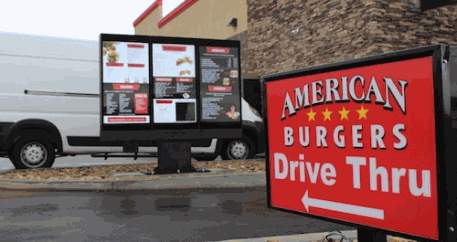
This contrast highlights a growing decision for restaurant operators choosing between digital menu boards vs static displays. Static boards rely on printed layouts that remain unchanged until they are manually replaced, making them ideal for restaurants with stable menus, limited promotions, and tight budgets. Digital menu boards use software to update content instantly, allowing operators to adjust pricing, highlight promotions, and schedule menus by time of day. Both serve the same purpose, but differ in how they manage flexibility, speed, and visibility.
Choosing between static and digital menu boards depends on several factors, including your restaurant concept, customer traffic, budget, and how often your menu changes. In this article, we dive deep into the strengths and weaknesses of both digital and static menu boards and examine how each influences customer behavior, supports sales growth, and aligns with operational needs. We also explore how these formats perform across different restaurant models, from quick-service restaurants (QSRs) to fast-casual cafés, giving you the clarity needed to make a confident, informed decision.
Static vs Digital Menu Boards: What’s the Difference?
When deciding between static and digital menu boards, understanding the key differences is crucial to making the right choice for your restaurant. Both have their distinct features, advantages, and limitations.
Static Menu Boards:
Static menu boards are traditional, non-digital displays that present menu information in a fixed format. They rely on physical materials rather than software, making them a dependable option for restaurants with consistent offerings and limited promotional changes. Common formats include printed boards, such as paper menus or posters mounted in frames or lightboxes, lightbox displays that use backlighting to improve visibility, and chalkboards, which are often used in cafés and casual dining settings for their handcrafted, artisanal appeal.
Key Features:
- Printed boards using paper or plastic inserts placed in frames or lightboxes
- Backlit lightbox displays that enhance readability in low-light environments
- Chalkboards that allow manual updates and creative presentation
- Fixed content that requires physical replacement for updates
- Low technology requirements and predictable maintenance costs
Digital Menu Boards:
Digital menu boards combine display hardware with content management software to give restaurants full control over how menus are presented and updated. They are built for speed, flexibility, and visual impact, making them a strong tool for modern foodservice operations.
Key Features and Functionality:
- Centralized software for managing menus across one or multiple locations
- Instant updates to pricing, items, and promotions without reprinting
- Time-based scheduling to switch menus for breakfast, lunch, dinner, or happy hour
- Support for images, animations, and video to improve item visibility and upselling
- Consistent branding and messaging across all screens
- Ability to highlight high-margin items and limited-time offers in real time
| Feature | Static Menu Boards | Digital Menu Boards |
| Content Updates | Manual reprinting or rewriting required | Instant updates through software |
| Upfront Cost | Low initial investment | Higher initial setup cost |
| Ongoing Costs | Printing and replacement expenses | Software, power, and maintenance costs |
| Flexibility | Limited once installed | Highly flexible and customizable |
| Promotions | Best for long-term offers | Ideal for limited-time and dynamic promotions |
| Visibility | Depends on lighting and print quality | Bright screens with motion attract attention |
| Customer Engagement | Static and predictable | Dynamic visuals increase engagement |
| Daypart Scheduling | Not practical | Automatic scheduling by time of day |
| Scalability | Hard to manage across locations | Easy centralized control |
| Best Use Case | Small restaurants with stable menus | QSRs and multi-location concepts |
How Digital Menu Boards Have Improved Sales Across the Industry
Switching to digital menu boards has proven to increase sales across various restaurant sectors. On average, sales lifts of 3–12% have been reported, with featured items seeing an even greater boost of 15–25% (Intel/QSR, Tillster Index 2024–2026, Delphi).
Check averages also rise significantly, with increases ranging from +4.8% to +9.1% across major chains.
Upselling is notably more effective with digital displays, driving combo attachment rates up by 18–31%.
Real-World Examples:
- McDonald’s (global rollout): +6.1% increase in same-store sales attributed to dynamic boards.
- Taco Bell (Defy & Cantina): 8–12% higher check with dayparting and LTO animations.
- Wendy’s: 4–6% lift from dynamic pricing trials.
- Chick-fil-A & Shake Shack: Improved drive-thru speed and throughput.
These examples showcase the undeniable impact of digital menus on sales and operational efficiency.
Why Static Menu Boards Still Work for Certain Restaurants in 2026
Despite the rise of digital, static menu boards remain a viable option in specific scenarios:
- Low-Traffic Rural Locations: Restaurants with annual revenue under $600k and limited foot traffic benefit from the low upfront costs and simplicity of static boards.
- Fixed Menu Concepts: Diners or pizza-by-the-slice shops, with little need for frequent updates, find static boards sufficient and cost-effective.
- Extreme Weather Conditions: In areas with harsh climates, outdoor digital menu boards may suffer from reliability issues, making static or hybrid options more practical.
- Near-Sale Situations: Restaurant owners planning to sell within 12-24 months may prefer static boards to avoid the investment in digital upgrades.
In these cases, static boards can be a cost-effective and reliable choice.
Static vs. Digital Menu Board Costs Compared Side-by-Side
| Item | 3-Bay Static System | 3-Bay Indoor Digital System | 3-Bay Outdoor Digital Drive-Thru |
| Hardware + Install | $3,000–$6,000 | $18,000–$28,000 | $45,000–$75,000 |
| Monthly software/content | $0–$150 | $150–$450 | $250–$600 |
| Printing/reprinting (annual) | $1,200–$4,000 | $0 | $0 |
| Lifespan | 3–5 years | 7–10 years | 7–10 years |
| Typical payback period | N/A | 9–18 months | 12–24 months |
How Digital Menu Boards Are Evolving With New Tech in 2026
- Digital menu boards are rapidly evolving as new technologies reshape how restaurants communicate with customers. In 2026, advancements in software, display hardware, and data integration are transforming digital menu boards from simple screens into intelligent sales and engagement tools.
- AI-Driven Menu Optimization: Artificial intelligence is being used to auto-highlight the highest-margin items in real-time, maximizing profitability with minimal effort.
- Integration with Apps: Digital boards now integrate with mobile order-ahead and loyalty apps, creating a seamless customer experience that drives convenience and repeat business.
- Energy Efficiency: New LED displays are more energy-efficient, lowering operational costs. They consume less power than traditional fluorescent static boards.
- Falling Hardware Prices: The cost of digital signage hardware has decreased by 15–20% since 2023, making digital menu boards more affordable for many restaurants.
These tech advancements make digital boards more accessible and profitable in 2026.
Which Should You Choose Right Now?
Choosing between static and digital menu boards comes down to how your restaurant operates today and where you want it to go. Both formats can perform well, but the right choice depends on practical factors that directly influence sales, efficiency, and long-term value.
If your menu rarely changes, your promotions are minimal, and you operate a single location with a tight budget, static menu boards offer a reliable and cost-effective solution. They work best for concepts that prioritize simplicity, consistency, and low maintenance over frequent updates.
On the other hand, digital menu boards are the better choice if you run time-based menus, rotate promotions often, or manage multiple locations. Their ability to update content instantly, highlight high-margin items, and adapt messaging by time of day makes them a strong tool for driving higher engagement and average order value.
Key factors to consider include how often you change pricing or items, your daily customer volume, the importance of promotions in your sales strategy, and your willingness to invest upfront for long-term ROI. When your operation demands speed, flexibility, and scalability, digital menu boards deliver a clear advantage.
Conclusion
In 2026, digital menu boards are driving significantly higher sales and profits for over 80% of limited-service restaurants, with most seeing payback in 18 months or less. The ability to optimize menu items in real-time, leverage dynamic pricing, and engage customers with motion graphics makes them an essential tool for fast-paced environments.
For the remaining 20% of restaurants, such as those with low traffic or fixed menus, static boards still offer a reliable and profitable solution. With their simplicity and low upfront costs, beautifully executed static boards continue to serve restaurants effectively.
Ultimately, the choice depends on your restaurant’s traffic, menu flexibility, and growth goals. Choose wisely to maximize your ROI.
Ready to see how digital menu boards can impact your restaurant's sales? Book a 15-minute call with our experts to run the numbers specific to your business and make the right choice for better profits and efficiency.
Frequently Asked Questions (FAQ)
-
Do digital menu boards actually increase sales compared to static ones?
Yes, studies show that digital menu boards can increase sales by 3–12% overall, with featured items seeing an even larger boost of 15–25%. They are particularly effective at increasing customer engagement, upselling, and promoting high-margin items.
-
What is the ROI and payback period for digital menu boards?
The ROI for digital menu boards typically pays off in 18 months or less. Most restaurants see a positive return through increased sales, improved customer engagement, and reduced labor costs for menu updates.
-
Are digital menu boards worth it for small or independent restaurants?
Yes, digital menu boards can be beneficial for small or independent restaurants, especially if they frequently update their menu or run promotions. The ROI and cost savings from reduced labor and increased sales often make digital boards a valuable investment for these businesses.
-
What are the main pros and cons of digital vs. static menu boards?
- Pros of Digital Boards: Flexibility for real-time updates, dynamic content, increased customer engagement, and higher sales.
- Cons of Digital Boards: Higher upfront cost, maintenance, and energy consumption.
- Pros of Static Boards: Low upfront cost, simplicity, and reliability.
- Cons of Static Boards: Limited flexibility, labor-intensive updates, and menu fatigue.
-
When should a restaurant stick with static menu boards?
Restaurants with low traffic, minimal menu changes, or those located in areas with limited digital display options may find static boards more cost-effective. Static boards are also a good option for businesses planning to sell within 12–24 months.
-
Can digital menu boards integrate with POS or loyalty systems?
Yes, modern digital menu boards can easily integrate with POS systems, loyalty programs, and mobile ordering apps, offering a seamless customer experience and better management of promotions, pricing, and inventory in real time.