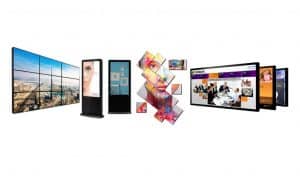
Digital signage is a powerful tool for promoting new products and services. It overcomes the limitations of traditional signage by delivering dynamic, real-time content. Today, digital signage benefits industries in both private and public markets, including airports, restaurants, hospitals, schools, and corporate offices. Its adoption has also contributed to a decline in printed signage demand; in Canada, the printed signage market is projected to shrink at a CAGR of approximately -1.3% between 2024 and 2029.
Market Trends and Growth of Digital Signage
The global digital signage market was valued at USD 28.83 billion in 2024 and is expected to reach USD 45.94 billion by 2030, expanding at a CAGR of 8.1 percent from 2025 to 2030, according to Grand View Research. The rising demand for digital promotion of products and services is driving this growth, allowing businesses and public institutions to engage audiences more effectively. Advancements in display technologies such as LCD, LED, UHD, OLED, and Super AMOLED have improved visual clarity and content quality, making advertisements and messages more impactful.
Leading companies, including Samsung, LG, NEC, and Sony, are innovating with AI-driven content, MicroLED solutions, interactive systems, and personalized displays to enhance engagement and sustainability. Accelerated digitalization in both developed and developing regions is driving faster adoption, enabling organizations to streamline communication, display real-time updates, and improve operational efficiency.
North America remains the largest market with over 34.0 percent share, while emerging economies in Asia-Pacific, Latin America, and the Middle East are experiencing rapid growth due to increased investments in retail, healthcare, education, transportation, hospitality, corporate, government, and entertainment sectors. These regions are leveraging digital signage to improve audience interaction, provide live information, and boost brand visibility, positioning the market for continued global expansion.
10 Industries Where Digital Signage Drives Results
Digital signage is transforming how industries communicate, engage, and operate across global markets. Let’s explore 10 industries that benefit from digital signage and how they use it to improve communication, operations, and customer experience.
1. Retail & Shopping

Digital signage is becoming a popular tool for retail industries to capture customer attention and communicate effectively. Traditional signage often falls short in keeping up with frequent price changes, promotions, and evolving consumer preferences. By providing dynamic content, real-time updates, and interactive displays, digital signage helps stores engage shoppers more efficiently. According to Precedence Research, the retail sector segment registered a maximum market share of 21 percent in 2025, showing its growing impact on in-store communication and customer engagement.
2. Food Service & Restaurants

Digital signage is a key tool for restaurants to present menus and promotions effectively. Static menus make it hard to adjust prices or highlight specials in real time. Restaurants use digital menu boards and ordering displays to showcase items, run time-based promotions, and guide customers through ordering. This improves service speed, boosts sales, and enhances the overall dining experience, as seen in McDonald’s and Starbucks locations.
3. Healthcare

Digital signage improves information delivery and operational efficiency in healthcare facilities. Wayfinding screens, queue displays, and alert systems provide patients with directions, appointment notifications, and important announcements. This enhances patient experience, streamlines staff communication, and ensures timely information reaches the right people.
Example use case: Lobby screens show live appointment schedules, navigation guidance, and emergency alerts, helping patients move through the facility with ease.
4. Education

Educational institutions are turning to digital signage for a wide range of applications. Digital screens across campuses share announcements, class schedules, event updates, and emergency alerts, helping students and visitors navigate efficiently. These displays improve communication, keep the campus informed, and support timely dissemination of important information.
Example use case: Campus screens show real-time class changes, event schedules, and directional guidance to help students and visitors move around the campus smoothly.
5. Hotels & Hospitality

Hospitality establishments are increasingly using digital signage to enhance guest experience and streamline operations. Screens display check-in guidance, conference schedules, event information, and local attraction updates. This allows guests to access timely information, navigate facilities easily, and stay informed about available services.
Example use case: Lobby and conference area screens provide real-time check-in instructions, event schedules, and nearby attraction details, helping guests plan their stay efficiently.
6. Transportation
Digital signage helps transportation industries provide timely travel information and improve passenger experience. Screens display arrivals, departures, platform updates, and safety alerts, keeping travelers informed throughout their journey.
Example use case: In airports, digital displays show real-time flight departures and arrivals, gate changes, and boarding alerts, helping passengers navigate terminals efficiently and reducing congestion at check-in and boarding areas.
7. Entertainment & Cultural Venues
Digital signage allows entertainment venues to keep visitors informed about movies, shows, events, and promotions. Screens in cinemas, theatres, and festivals help attract audiences and make information easily accessible.
Example use case: Venues display event schedules, fun interactive activities, and safety instructions, improving visitor experience and ensuring smooth organization.
8. Corporate & Offices

Digital signage helps offices deliver important updates and streamline workplace communication. Manual notice boards and scattered messages can delay information sharing. Companies use screens to show meeting schedules, announcements, and operational highlights. This keeps staff aware of key information, improves coordination, and supports smoother daily operations.
Example use case: Displays in common office areas deliver real-time meeting room availability, internal updates, and team performance insights, helping employees stay informed and organized.
9. Government & Public Services

Digital signage is an effective tool for public sector organisations to share information with citizens. Traditional bulletin boards and printed notices can be slow to update and hard for visitors to follow. Government offices and public service centres use screens to display service updates, queue information, and guidance for visitors. This ensures citizens receive timely information, improves service efficiency, and enhances the overall visitor experience.
Example use case: Municipal offices place digital displays in waiting areas to show service updates, appointment schedules, and safety alerts, helping visitors navigate the facility easily.
Stream powers government communication through clear digital signage solutions
10. Real Estate & Property Management

Digital signage helps real estate teams share property information in a clear and engaging way. Printed materials can be outdated and hard for visitors to follow. Screens show available properties, tours, and directions inside buildings. This makes it easier for visitors to explore, keeps tenants informed, and attracts more interest in properties.
Example use case: Lobbies of residential or commercial buildings display current listings, leasing updates, and guidance for visitors.
Why Digital Signage Matters for Modern Businesses
Digital signage allows businesses to share information, marketing messages, and operational updates on screens in real time. It improves audience engagement, provides better control over content, and enhances brand visibility across locations. Companies using digital displays can communicate more effectively and influence decisions where timely information matters.
Get in Touch with Stream
Businesses looking to implement digital signage can contact Stream for guidance. Reach the team via phone, email, or the website form to discuss display solutions and deployment strategies tailored to specific industries. Expert advice ensures the right system is chosen to meet operational and marketing goals.
FAQ
-
What is digital signage and how does it differ from traditional signage?
Digital signage uses electronic displays to show dynamic content, unlike static print posters or billboards. It allows real-time updates, interactive features, and targeted messaging, enhancing engagement and flexibility for businesses.
-
Which industries benefit the most from digital signage?
Key industries include retail, restaurants, healthcare, education, hospitality, transportation, entertainment, corporate offices, government services, and real estate. Each sector uses signage for engagement, information, or operational efficiency.
-
How does digital signage improve customer experience?
Digital signage delivers timely information, wayfinding, interactive content, and personalized promotions, reducing wait times and increasing engagement, leading to a better overall experience for visitors or customers.
-
What are the common use cases of digital signage across industries?
Common applications include promotions and advertising, information display, queue management, wayfinding/navigation, event schedules, internal communication, and interactive engagement.
-
What are the key benefits of investing in digital signage?
Benefits include real-time content updates, higher audience engagement, improved operational efficiency, enhanced visitor experience, and scalability for multiple locations.